
Traditional Herbal Wisdom for Male Vigor
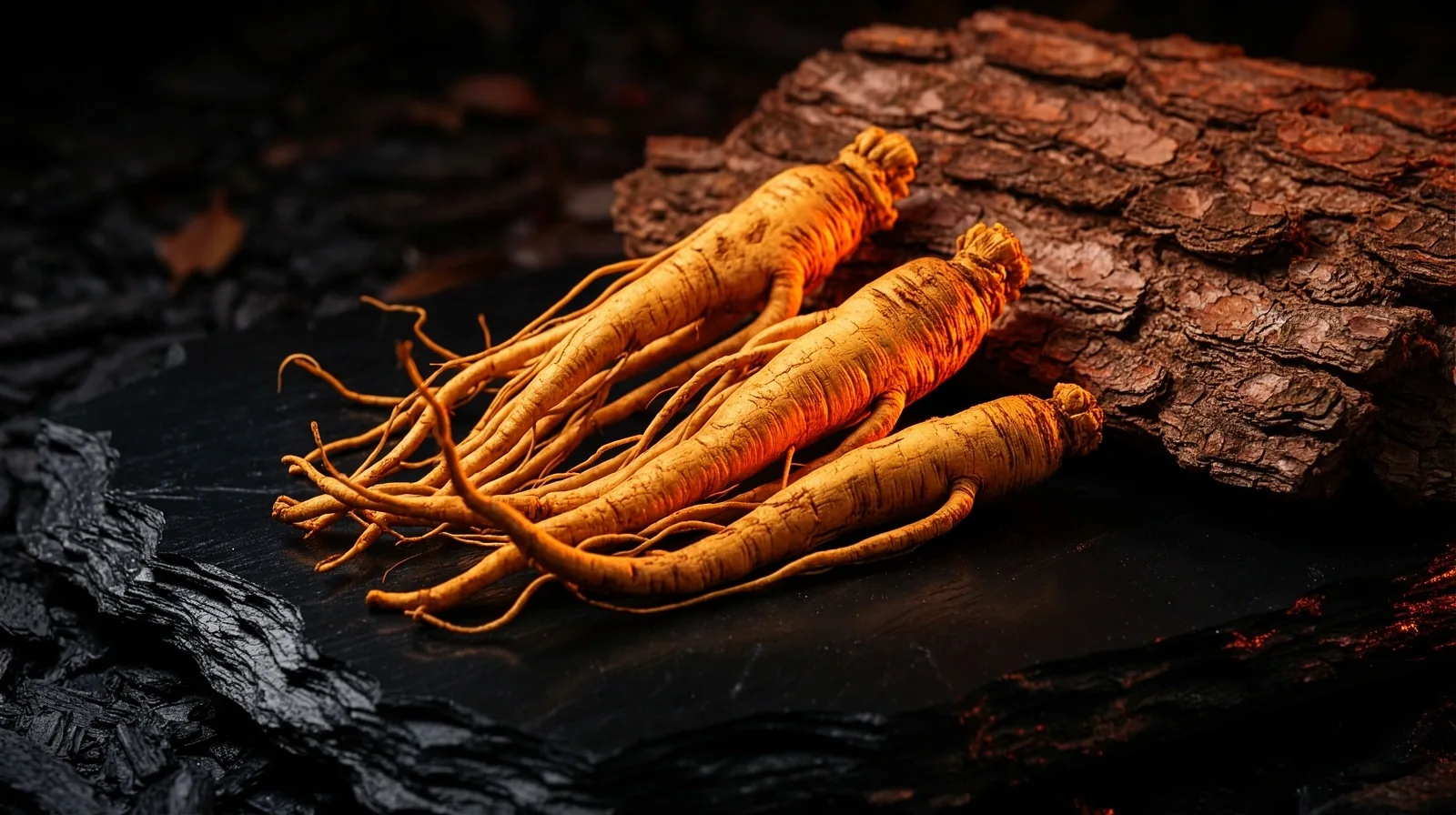
The history of male strength is inextricably linked to the botanical world. Across every continent, traditional cultures identified specific plants that helped men maintain their physical drive and endurance.
An Essential Ancestral Component
These botanicals were not seen as external additives but as essential components of a man's diet and daily routine. They were harvested from the wild at specific times of the year, following a belief that the season dictated the plant's inherent energy.
From the high Andean plateaus to the dense forests of West Africa and the mountain valleys of East Asia, the quest for natural strength was a community-wide endeavor. This page explores the traditional uses of several key botanicals that have been historically associated with male energy, focusing on how they were traditionally prepared and consumed to honor these ancient practices.
The Tradition of Adaptogenic Roots
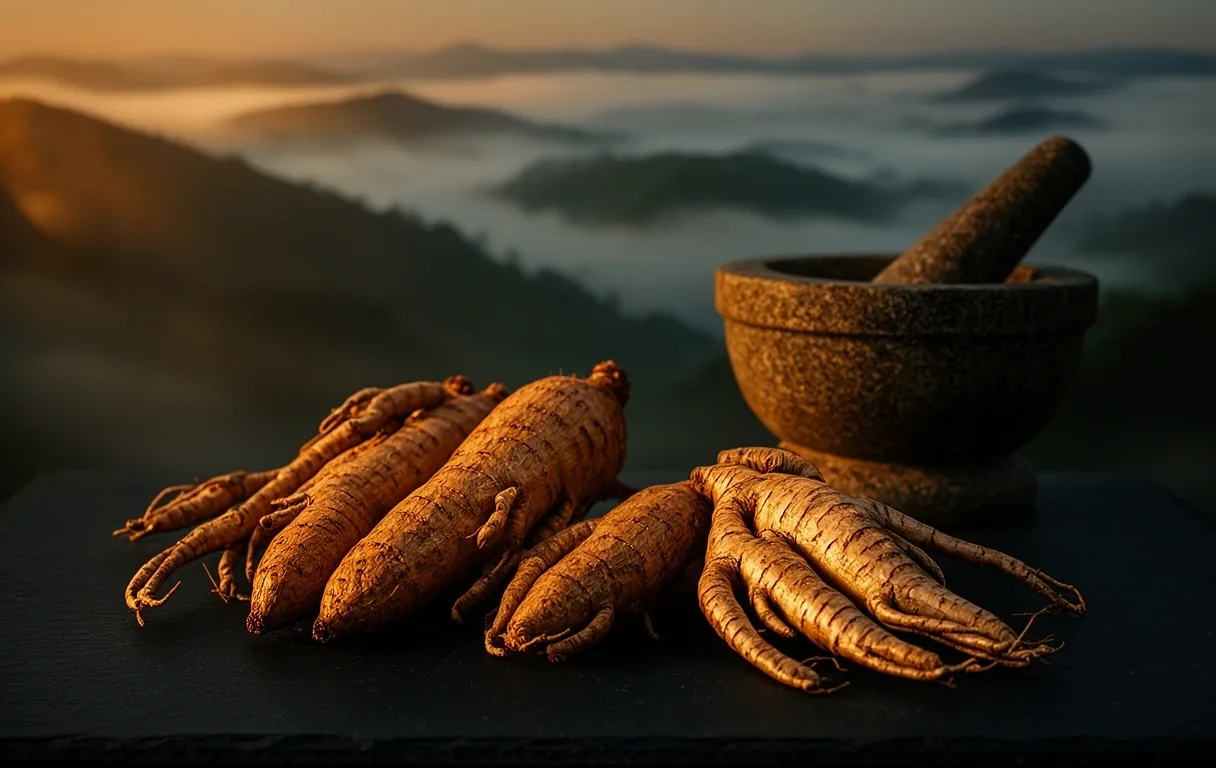
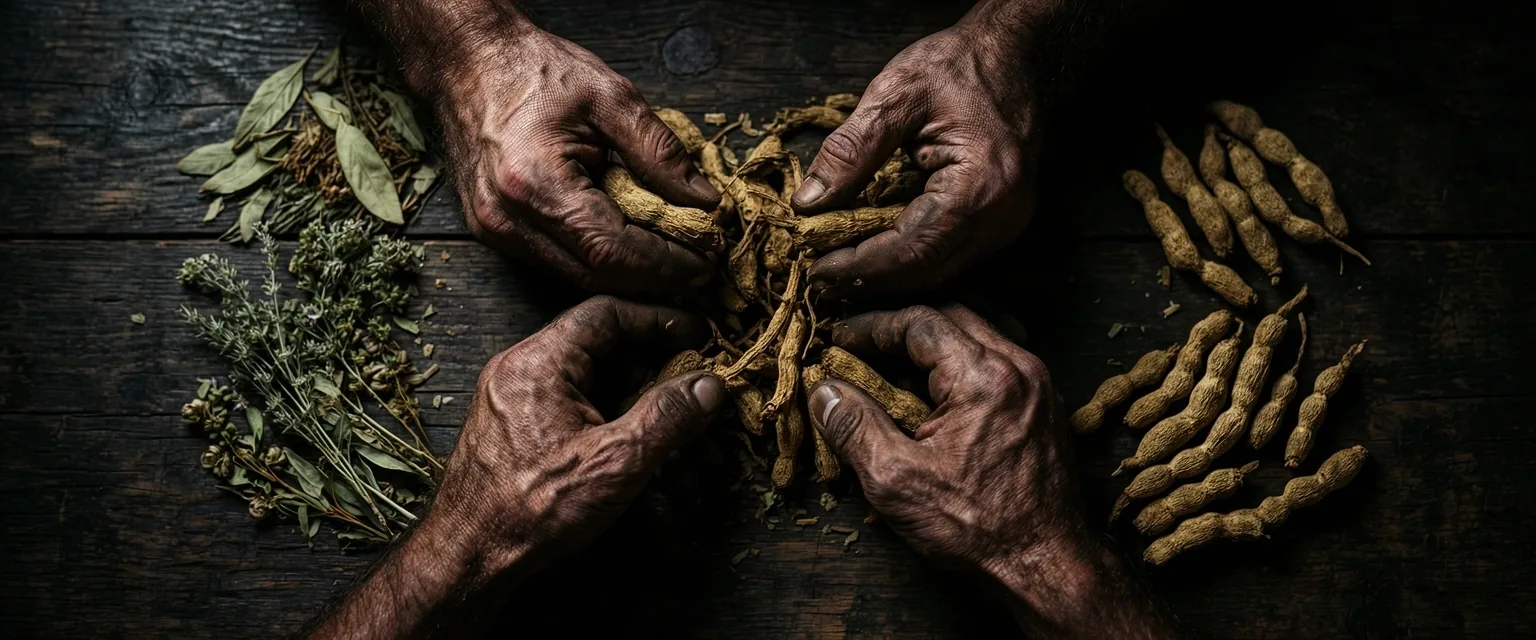
Roots like Panax Ginseng and Maca have been staples in their respective cultures for thousands of years. In East Asia, Ginseng was prized by warriors and emperors alike for its ability to support resilience under stress. The harvesting of wild "mountain ginseng" was often accompanied by rituals intended to show respect to the forest.
In the Andes, Maca was consumed as a food source to help men endure the rigors of high-altitude living. We examine how these roots were typically prepared as slow-cooked decoctions or ground powders to preserve their natural properties, ensuring the vitality of the plant was transferred to the person.
Forest Barks & Vitality
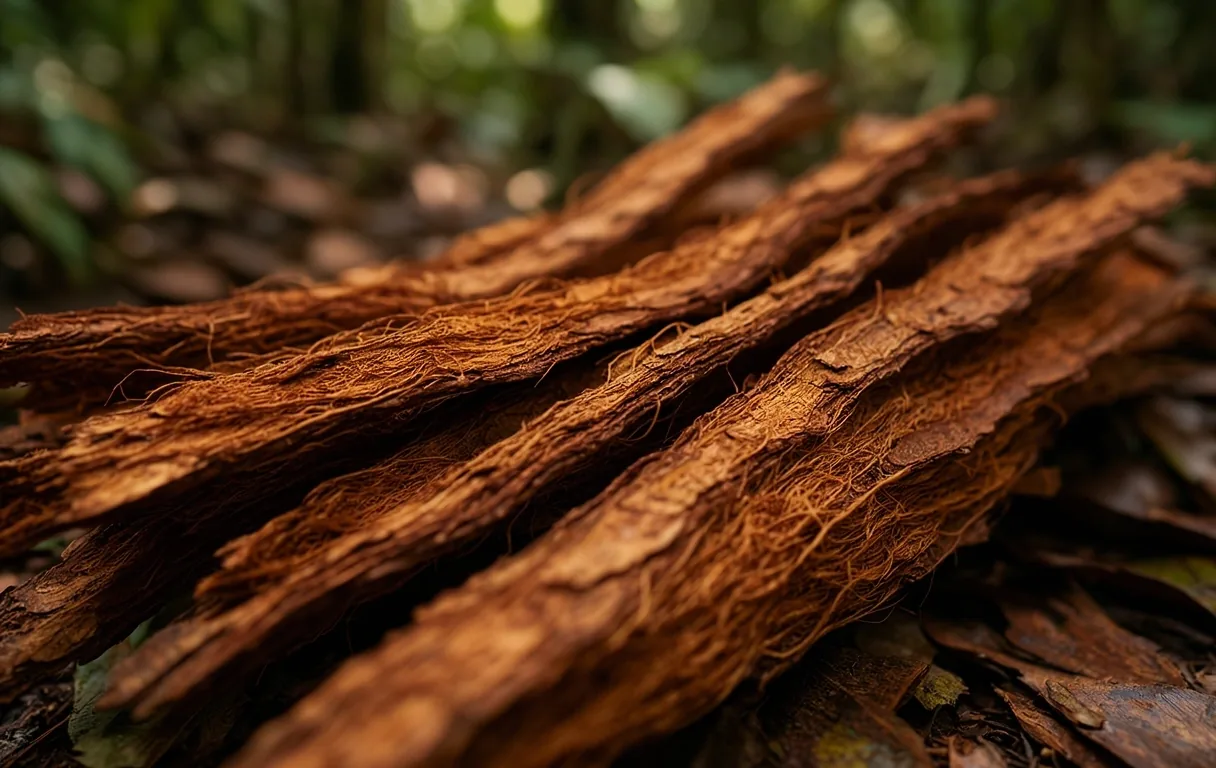
In various regions of Africa and South America, the barks of certain trees were harvested for their invigorating properties. Muira Puama, often referred to as "potency wood," has a long history of use in the Amazon basin.
These barks were often steeped in spirits or hot water to create bitter tonics. The extraction process was slow, often taking days of maceration to pull out the resins and oils that traditional practitioners believed held the tree's vigor. We explore the historical context of these preparations and how they were integrated into community rituals.
Seeds of Potential & The Gold Dust of Spring
Concentrated Essence
Seeds are the concentrated essence of a plant's potential, and many have been traditionally used to support male vigor. Pumpkin seeds and Fenugreek are two examples favored in Mediterranean and Middle Eastern traditions. They were often toasted or ground into pastes, providing a dense source of minerals and fats that sustained physical readiness.
The Essence of Spring
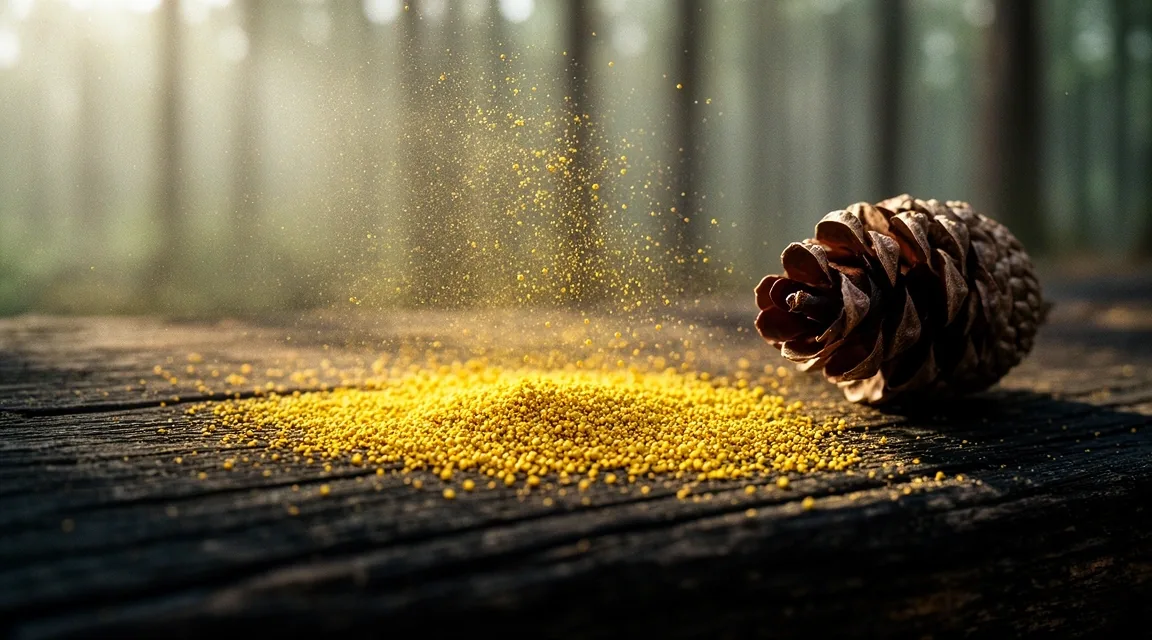
In certain Northern traditions, the dust of the pine tree was collected during the spring thaw. This "gold dust" or pine pollen was believed to contain the concentrated life force of the forest. Historically, it was used to support energy and recovery after a long winter. We look at the traditional methods of collection and the ways it was consumed to capture its fleeting seasonal energy.
Traditional Alchemy
The method of preparation is just as important as the herb itself in traditional wisdom. Extracting the vital elements requires patience and precision.
Seasonal Herb Cycles
Traditional herbalism was rarely about taking the same thing every day. It followed the cycles of the year. Certain herbs were used for "cleansing" in the spring, while others were used for "strengthening" in the autumn to prepare for the cold.
Spring/Summer
Activation and metabolic flow.
Autumn/Winter
Preservation and deep vitality roots.
Sourcing & Tradition
In the past, herbs were gathered from the wild or grown in clean, local soil. The quality of the plant was directly tied to the quality of the environment.
We discuss the importance of seeking out botanicals that are grown and harvested with respect for these traditional standards.
Avoiding the mass-produced, depleted options often found on modern shelves to ensure the energy of the plant remains intact.
VITALITY IS A PRACTICE.
Traditional herbal wisdom is one pillar of a holistic lifestyle. Explore how nutrition and daily habits synergize with these ancient botanicals to maintain natural strength.
Fuerza Natural / Málaga, Spain
Calle Larios, 5, 29005
Est. 2026 / Ancient Knowledge